
Volume 4 Issue 3
By William Raven, Hills Road Sixth Form College
Citation
Raven, W. 2025. Notes from a Small Island: Mersea’s Sustainability Case. Routes, 4(3): 148-158.
Abstract
The building of capacity by commercial innovation, networking, and heritage management to create sustainable communities has usually been analysed for large towns and cities rather than for smaller settlements (Bramley et al., 2009; Mingaleva et al., 2017) Many smaller communities, however, comprise complex and historically grounded societies where sustainability may be nurtured. For this reason, this article examines one such example, Mersea Island off the north Essex coast. Typically, studies of island sustainability focus on headline-grabbing cases of communities endangered by rising sea-levels as a result of ongoing climate breakdown (Pugh, 1990; Leatherman, 1997; Stratford, 2003). This case study aims to expand on previous research by focusing not on large, high-profile studies, but instead on the small British island community of Mersea an example of how sustainability can be implemented on a highly localised and achievable timetable. The case study investigates the ways in which adaptation can offer a clear and achievable pathway to environmental and social sustainability. In profiling the basic and integrated geography of a small British island, the following argues that sustainability can be developed from heritage relationships, examining links between the geology, ecology, settlement, economy, and industry of Mersea, that we gain a significant understanding of what characterises sustainability and suggests how this might best be advanced in the future. In particular, the shaping of Mersea’s history by its environment, and the relationship between past and present, might suggest predictive patterns in relation to climate change and matters of sustainability.
1. Mersea
Mersea Island[1] is situated off the north Essex coast of Britain, in the estuary of the River Blackwater and River Colne. It is the most easterly inhabited British tidal island accessible on foot or by vehicle as the island is joined to the mainland by the Strood causeway. Having grown up only a few miles away, I have long appreciated Mersea’s rich and ancient history within the constraints of its small land mass, and its extraordinary diversity of demography, ecology, and landscapes. It provides an excellent example for considering the potential for localised sustainable evolution. The island is only approximately five miles long and two miles wide with a land mass of 2,683 acres with two main settlements on the island (Figure 1.), the town of West Mersea, with a concentrated population of approximately 7,000, and the village of East Mersea, with a more scattered population of 266[2]. This population means that while the island is a small community, the likes of which rarely explored (Bramley et al 2009, Mingaleva et al 2017), the patterns presented here with sustainable evolutions are potentially transferable to other similarly small communities. The island is composed of London Clay, chalky boulder clay, sand, and gravel, with the surrounding area of mudflats and saltmarshes serving as an important sanctuary for wading and migratory birds (CEFAS, 2013).
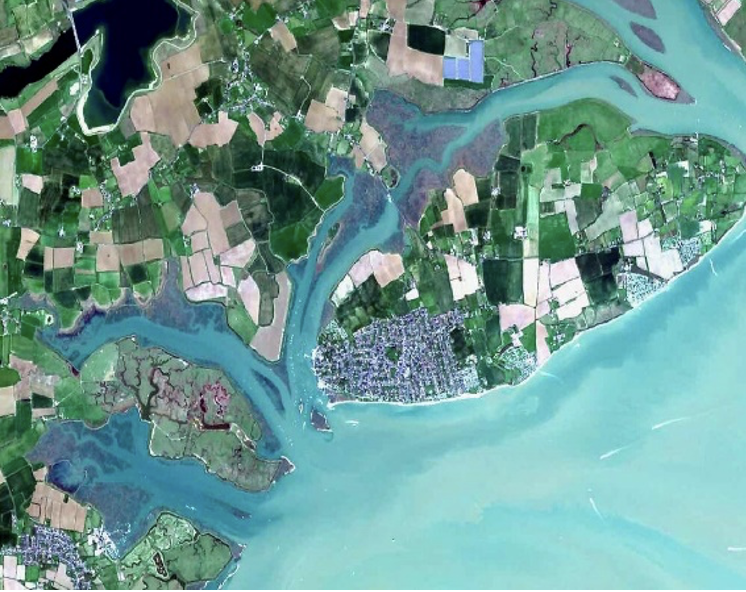
Figure 1. Aerial image of Mersea Island from 2022. Source: seaskips.com.
Chosen for its unique history and localisation, Mersea Island was recently described in The Mail on Sunday as a ‘sleepy, slightly eccentric backwater’ (Armstrong, 2022), but that description fails to represent the complex tapestry of its history and current-day economy, which has benefited from the willingness of its inhabitants to seek new forms of sustainability, embracing change while protecting and developing the industries of its past. Therefore, when considering matters of localised sustainability, Mersea is a key example of how communities can evolve while respecting traditions and local heritage to improve and protect the future of the island and the collective prospects of its inhabitants.
2. Methods
When considering the case for localised sustainability opportunities offered by Mersea it is paramount to consider the spatial evolution of the island through time. This article therefore adopts a form of place writing. In doing so, the following considers the island, its environment and history, economy and industries to reach a conclusion about the central premise of gradual sustainable development and evolution which the island has undergone. In this instance, the concept of sustainability plays on a series of levels from the ability of the community to co-exist on Mersea for a long period of time dating from the original Anglo-Saxon settlers (Crummy et al., 1982). On closer examination, however, Mersea is important as an exemplar of the sustainable implementation of change to protect the islands historic, localised and often under-investigated community (Pugh, 1990, Leatherman, 1997, Stratford, 2003). This is achieved through place writing which considers the physical and geographical setting. Comparable to life writing, this method encompasses all inhabitable space and enables a deep consideration of Mersea in a manner rarely afforded to smaller communities (Bramley et al, 2009, Mingaleva et al, 2017). Thereby, place writing can effectively emphasise identity and character to inform our understanding of a place without the potential distortions resulting from the subjectivity of contributions by individual narrators and local characters.
3. Environment and History
Mersea Island lies approximately nine miles from the market town of Colchester, the first major city of Roman Britain known as Camulodunum (Crummy et al, 1982). Linking Mersea to Colchester is the Strood, today an asphalted road, which joins Mersea to the mainland with a mile-and-a-half of artificially-created causeway (Figure 2). Parting the waters of the Pyefleet Channel on the east and the Strood Channel on the west, the Strood continues to flood twice a day at high tide when Mersea becomes, for a while at least, truly an island cut off from the mainland.
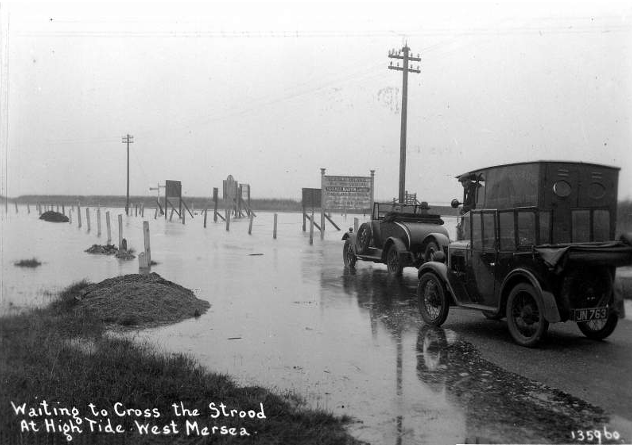
Figure 2: Archive Photograph. Waiting to Cross the Strood at High Tide. Source: Mersea island in years gone by, http://www.facebook.com.
The rich history of the island has led to some, albeit limited, historical investigations. For example, the carbon dating of timber piles discovered in a 1978 excavation (Crummy et al., 1982), revealed that the Strood was constructed by Anglo-Saxons and at the time, the island probably had grazing sheep on the marshes with extensive fisheries with evidence of traps for large quantities of fish (Figure 3).[3] Philip Crummy, the long-serving director of the Colchester Archaeological Trust, concluded that the construction of the Strood in or about 700AD represented ‘a major undertaking’ suggesting ‘the presence on the island of a sufficiently important feature to merit such a structure and also a substantial financial expenditure’ (Crummy, 1982, p.85).
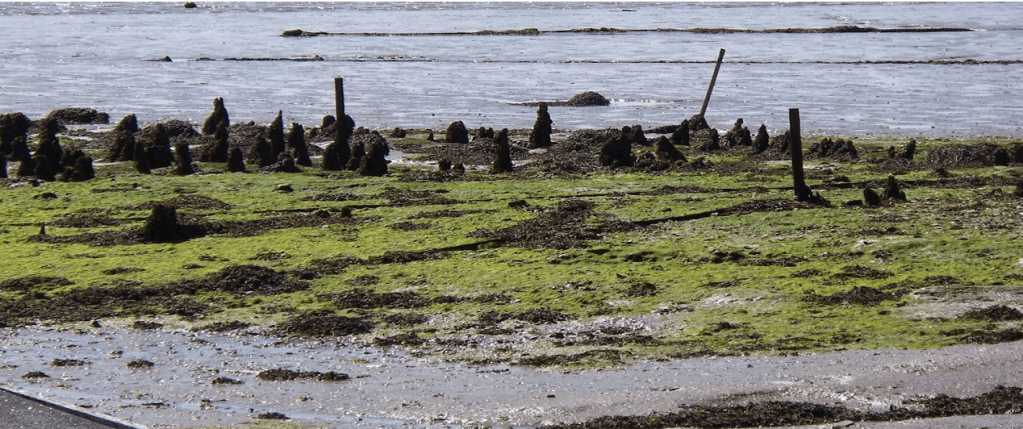
Figure 3. Remains of Anglo-Saxon fish traps. Source: (esah160.blogspot.com).
Other excavations have revealed Bronze Age tools and pottery (Karbacz, 2022), and most recently, a Bronze Age barrow and board walk have indicated a sizeable early population.[4] The ‘red hills’ of Mersea, made of burnt and charred soil, evidence the Celtic salt workings which were in operation from about 600BC to 43AD, revealing the presence of a steady and settled population (Karbacz, 2022) and during later Roman times, brick and stone buildings were constructed on the island,[5] including a first-century Barrow (Howlett, 2024) which enclosed the cremated remains of an adult within a green glass bowl.[6]
From Roman times to today, Mersea has benefitted from a buoyant economy led by opportunities for leisure, fishing, and agriculture and this environment of relative stability means that many residents today are members of families who have lived there for generations with some eighth-generation families still involved in oyster harvesting, having been on the island since the 1700s (Pugh 1990, Leatherman 1997, Stratford 2003).
Such heritage underpins new sustainable projects, even when the two sides of the island support remarkably distinct and separate communities. West Mersea is a fishing town with sandy beaches, shops, restaurants and pubs, making it a very popular tourist destination (Karbacz 2022). East Mersea on the other hand is more rural, with wild natural beaches and open spaces including Cudmore Grove Country Park with 102 acres of coastal landscape. The park is designated as a Special Site of Scientific Interest, a Ramsar Site[7] (Ramsar, 1971), a National Nature Reserve, and supports a wide variety of wildlife, attracting visitors to the lesser developed eastern half of the island (Figure 4).
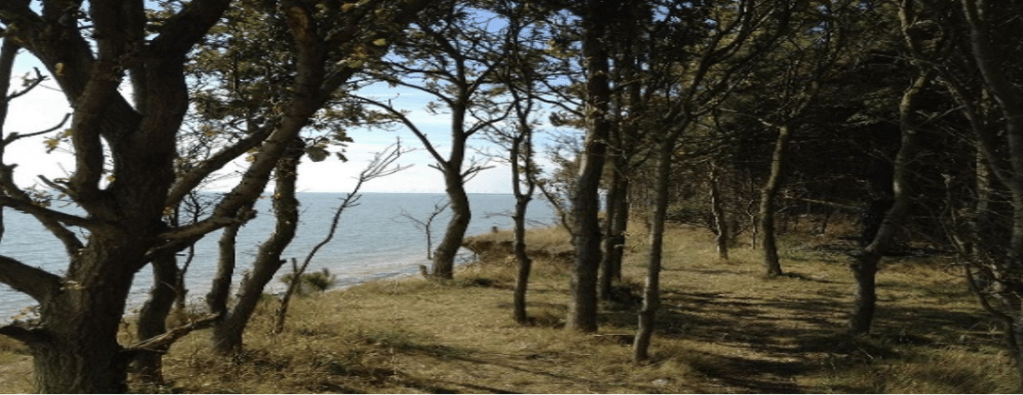
Figure 4: The Cudmore Grove Country Park, East Mersea. Source: visitessex.com.
4. Economy and Industry
In a sustained link between past and present, Mersea is renowned for its oysters[8] which are today sold as far afield as Dubai and China. The Colchester Native Oyster, takes five years to mature, is harvested between September and May, and an annual opening festival to the harvesting season dates back to the Middle Ages (Cannadine, 1982). The Romans are said to have loved the “Natives” so much that they towed them alive in nets behind their boats all the way to Rome,[9] and later in 1662 Thomas Fuller described them as ‘the best in England’ with their success repeatedly key to the island’s prosperity (Fuller, 1662, p.132).
The waters around Mersea provide an ideal environment for shallow water fishing both for commercial and leisure purposes, however, Mersea fishing has suffered the same decline experienced generally in the UK (Engelhard et al., 2016). At the turn of the twenty-first century there were twenty fishing boats working out of the island (Karbacz 2022), now there are only ten. In the search for sustainable adaptations, diversification has consequently increased, with fishing tours sold to amateur anglers while fishermen continue to sell directly into the market. Today, the quayside ‘Mersea Island Fresh Catch’ attracts locals and visitors, avoiding long supply chains and maximising returns (Worrall, 2019). As a result, the fish could not be fresher and, as the island benefits from the sheltered Blackwater estuary, there are few days when fishing stops (Rayner 2021).
The Company Shed, a restaurant on the front in West Mersea, sells and cooks the daily catch. The simple décor and the no-frills ecological approach has become one of its, and the islands, major attractions. The food critic Jay Rayner described his experience there:
The Company Shed really is just a slat-board shack. It’s so simple, I was jokingly advised by a regular to take my own chair. They did have chairs. They also had napkins, if a roll of kitchen paper counts… What mattered was the oysters, fished from the creek out back by Richard Haward, whose family has been trading in them since before they were sending them down the Thames estuary to the London of Charles Dickens. Everything about The Company Shed was perfect.’[10]
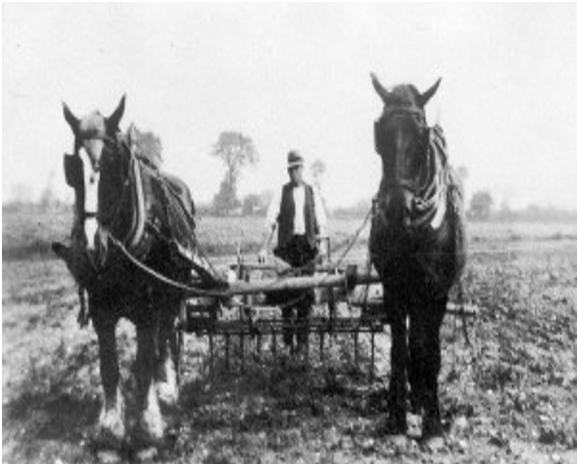
Figure 5: Edwardian farming on Mersea Island. Source: mersea-island-tales.co.uk.
Equally, arable farming on the island has benefited from Mersea’s unique dry micro-climate (Figure 5), with supplies of fresh water from underground springs (Karbacz 2022). Although arable and animal farming continues on the island, the warming climate has brought change enabling localised agricultural evolution with new crop rotations. It is now possible to grow five different varieties of grapes on the island for the purpose of making wine demonstrating how sustainable changes can be applied. The Mersea Island Vineyard covers 7 acres of south-facing slopes producing approximately 20,000 bottles of wine a year (Figure 6).[11]
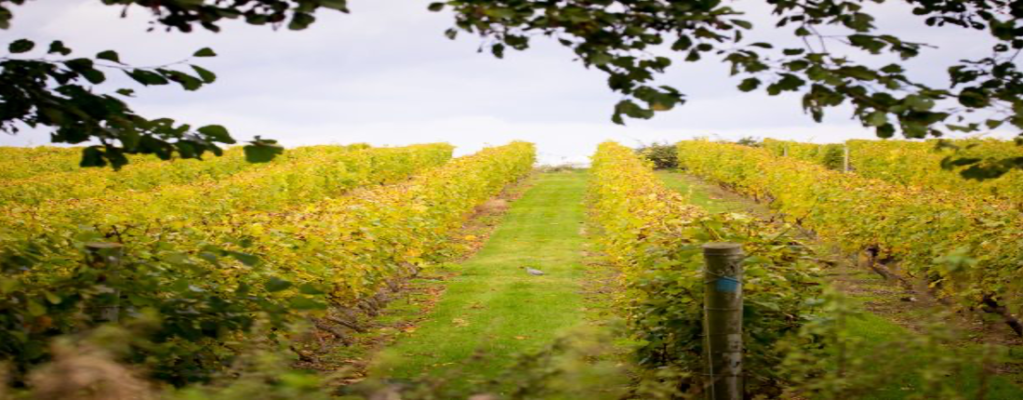
Figure 6: The slopes of Mersea Island Vineyard. Source: merseaislandvineyard.co.uk.
Tourism is also an important part of the island’s economy, both past and present. And the location of Mersea has always attracted day-trippers and holidaymakers (Pugh 1990 Leatherman 1997 Stratford 2003). It is recorded that Roman occupants of Colchester travelled to Mersea for holidays as well as it being a retirement retreat for veterans of Roman Legions (Cannadine 1982).[12] Today’s tourists have numerous places to stay, including six camping and caravanning sites, the largest of which, Cooper’s Beach can cater for 3,000 residents with such large influxes of tourists helping the economy and also leading to the population of Mersea swelling to nearly double during the summer months (Figure 7).
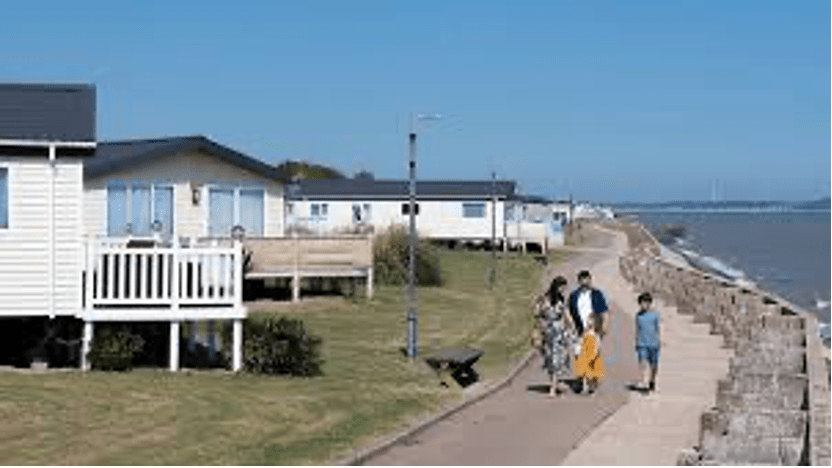
Figure 7: Chalets for long term and short stay renting at East Mersea. Source: beachlets.co.uk.
Mersea beaches are a variety of sand and pebble beaches and are a major attraction, together with activities such as sailing, kayaking and paddle-boarding (Figure 8).[13] For example, West Mersea Yacht Club, founded in 1899, is open 365 days a year and advertises itself as one of the premier yacht clubs on the east coast, boasting a gold and a silver medallist from the Rio Olympics.[14] Every year since 1838 (save for the Covid years), the voluntarily run West Mersea Town Regatta attracts sailors from across the world and includes the ‘Round Mersea Island Race’ where dinghies are man-handled over the Strood to complete the circuit (Karbacz 2022).
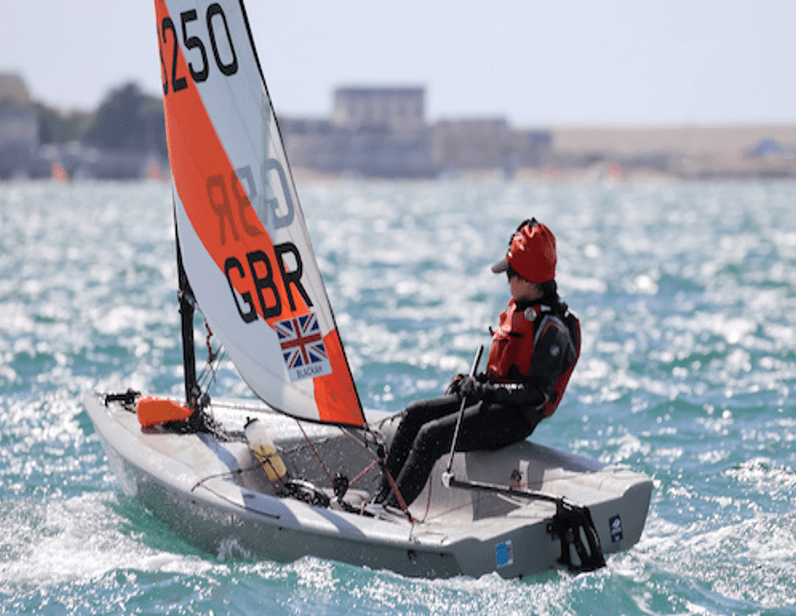
Figure 8: Racing around Mersea Island. Source: mersea-island-watersports.co.uk.
Scale and quality, however, remain the key to sustainability (Pugh 1990 Leatherman 1997 Stratford 2003) with inhabitants who are proud that there are no white-knuckle rides or noisy gambling arcades on the island, but instead over 400 beach huts remain and the attraction of the island remains its peaceful atmosphere and traditional community. Mersea is attractive to both visit and live permanently[15] with demand outstripping supply, house prices stay high.[16] Visitors in turn return year after year, and residents remain for generations (Howlett 2024). For the people of Mersea, within a constituency which had until the 2024 General Election always been a Conservative seat[17], the perception of sustainability is far more localised (Bramley et al 2009 Mingaleva et al 2017), based instead in the island itself and the preservation of its tranquillity. These views, however, are not always consonant with those of visitors to the island. Nonetheless, the development of new agricultural opportunities such as the development of vineyards demonstrates how the preservation of sustainable historical practices, such as oyster harvesting, can be complemented by the advent of new sustainable adaptations.
Comparatively there are instances when conflict becomes unavoidable, as with the loss of 50% of the islands fishing fleet (Engelhard et al., 2016) with replacement only in the form of leisure fishing and holiday experiences. As such, a growing divide might emerge in the future as older members of the island’s community are “left behind” or marginalised by the islands changing economy and demographics. In instances where the perception is that these developments detract from the Mersea’s wealth of cultural history there is the possibility that conflict could emerge as the island evolves, a trend shared among small island communities globally (Pugh 1990 Leatherman 1997 Stratford 2003).
Despite these qualities as a small island community, Mersea is not divorced from wider sustainability initiatives (Bramley et al 2009 Mingaleva et al 2017). Most notable is the move towards renewable energy sources. The now decommissioned Bradwell nuclear power station is just visible on the other side of the Blackwater estuary and the vast Gunfleet Wind Farm, located off Clacton-upon-Sea in the North Sea, can be seen from Mersea beaches – a visual reminder of the opportunities presented to renew and develop using the natural environment. Across domains of ecology, business, and culture the island is able to adapt to its context of sustainability as a small island community. Nonetheless, from the perspective of the inhabitants of the island the rich social history of the island means that there can be significant backlash to large projects focused on sustainability when the perception is that they detract from the islands’ unique identity (Pugh 1990 Leatherman 1997 Stratford 2003). Therefore, wind turbines which are often described as “eye sores” and disrupt the passage of sailing boats can be met with significant opposition from community groups and the yacht clubs (Figure 9).
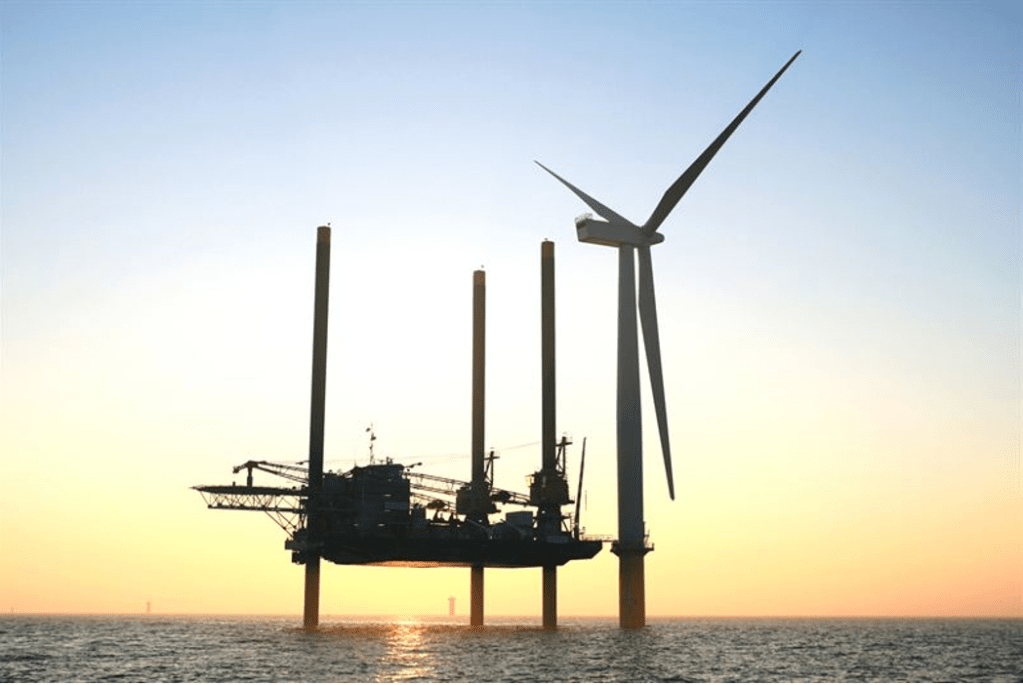
Figure 9: Gunfleet Wind Farm turbines 8km offshore from Mersea in 2009. Source: (newcision.com).
5.. Conclusion
The unique sustainability case on Mersea derives from numerous elements of environmental, cultural, and economic factors which experience significant changes while the different agents invloved still aim to retain the island’s unique heritage and traditions. This combination of the island’s lengthy history, a continuum spanning all the way back to the Romans, its natural beauty and its successful and sustainable industries, both on land and water, makes Mersea a special British case-study of environmental change in the broadest sense, linking its past with current challenges. In commercial and lesiure terms, Mersea Island makes the most of its natural features, including the beaches around the island, particularly at the West Mersea “hard”, and the nature reserve within its Country Park. Its industries, including changing offshore renewable energy resources, the farming of oysters and grapes, fishing, and tourism, offer lasting and historical balances in relation to both demographic and climate change. In relation to future challenges, these adaptations allow the island sustainably to retain its unique identity as a small and proud island community.
[1] The name Mersea comes from the Celtic ‘mersig’ or ‘island of the pool’:(Taggert, 2011, 266).
[2] Situated between is a small hamlet known as Barrow Hill, taking its name from a prominent Romano-British barrow nearby.
[3] Recent excavations include evidence of Anglo-Saxon fish-traps.
[4] Examples can be viewed at Merseamuseum.org.uk.
[5] Notably, a large mosaic floor was discovered in the area of the Church of St Peter and St Paul in 1730 (Karbacz, 2022).
[6] Discovered in 1912 (Karbacz, 2022).
[7] A wetland site designated to be of international importance under the 1971 Ramsar [Iran][ Convention.
[8] For more details, see https://www.barenative.co.uk and Katie Allen, The Guardian (22 June 2010).
[9] https://visitmerseaisland.co.uk.
[10] The Guardian, 3 May 2020.
[11] Further details available at merseaislandvineyard.co.uk
[13] http://visitmerseaisland.co.uk
[14] A fuller account, also inviting consideration of new patronage opportunities, is given at www.fiduciarywealth.co.uk, current sponsors of the yacht club
[15] http://visitmerseaisland.co.uk
[16] The average house price in Mersea in 2021 was £493,022 (Rightmove).
[17] https://electionmaps.uk/nowcast
References
Armstrong, N. (2022): The Mail on Sunday, 21 Sept.
Bramley, G., Dempsey, N., Power, S, Brown, C. & Watkins, D. (2009) ‘Social sustainability and urban form: evidence from five British cities’, Environment and Planning 41(9), 2025-2042.
Cannadine, D., (1982) ‘The Transformation of civic ritual in modern Britain: The Colchester Oyster Feast,’ Past & Present, 94: 107-130
CEFAS (2013) Centre for Environment, Fisheries and Aquaculture Science: Sanitary Survey Report (EC regulation 854.2004).
Crummy, P., Hillam, J., & Crossan, C (1982), ‘Mersea Island: The Anglo-Saxon Causeway,’ Essex Archaeology and History, 3rd ser.,14, 77-86.
Fuller, T. (1662), The History of the Worthies of England [on-line publication June 2015, Cambridge: Cambridge University Press, edited by J. Nichols).
Karbacz, E. (2022), A Brief History of Mersea Island (Mersea: Mersea Island Museum Trust) ; also available https://www.merseamuseum.org.uk (accessed 20 Oct. 2022).
Leatherman, S.P. (1997). Island States at Risk: Global Climate Change, Development and Population. Journal of Coastal Research Special Issue 24 (242 pp).
Mingaleva, Z. Sheresheva, M., Oborin, M. & Gvarliani, T. (2017) ‘Networking of small cities to gain sustainability’, International Journal of Entrepreneurship and Sustainability Issues 5(1), 140-156.
Pugh, D. (1990) ‘Sea level: change and challenge’. Nature and Resources 26(4), 36–46
Stratford, E. (2003), ‘Flows and boundaries: small island discourses and the challenge of sustainability, community and local environments,’ Local Environment, 8(5), 495-499.
Worrall, J. (2019), ‘Mersea Island Fresh Catch – fresh and local,’ Fishing News, 15 Feb. 1.
#Write for Routes
Are you 6th form or undergraduate geographer?
Do you have work that you are proud of and want to share?
Submit your work to our expert team of peer reviewers who will help you take it to the next level.
Related articles
 Routes