
Please direct all enquiries to editor@routesjournal.org. Submissions should be made via the submissions from.
Co-Editors-in-Chief

Dr. Jonathon Turnbull
Jonathon is a cultural, environmental, and urban geographer from Newcastle upon Tyne. He is a postdoctoral researcher at the School of Geography and the Environment at the University of Oxford and a Junior Research Fellow at Jesus College, Oxford. Jonny has a BA (Jesus College) and an MSc (Christ Church College) from the University of Oxford. He completed his PhD at the Department of Geography at the University of Cambridge (King’s College).
Jonny’s research examines how understandings of nature are produced and contested across geographical contexts and why this matters for more-than-human social, political, and economic life. His ESRC-funded PhD research took place in the Chornobyl Exclusion Zone in Ukraine where he conducted long-term ethnographic research examining the Zone’s nuclear natures. Prior to this, he conducted fieldwork on India’s urban bovine ecologies.
His current postdoctoral research, funded by the Leverhulme Centre for Nature Recovery, investigates urban rewilding initiatives, from top-down governance schemes to local community-based practices. Jonny is currently conducting fieldwork on beaver reintroduction sites in Enfield and Ealing, London, free-living beavers in Berlin, and the nocturnal ecologies of urban badgers.
Jonny is a co-founder of the Digital Ecologies research group and the Ukrainian Environmental Humanities Network. He was on the editorial board of Routes between 2018 and 2022 before he became Co-Editor-in-Chief. He is passionate about widening participation in geographical research and publishing.
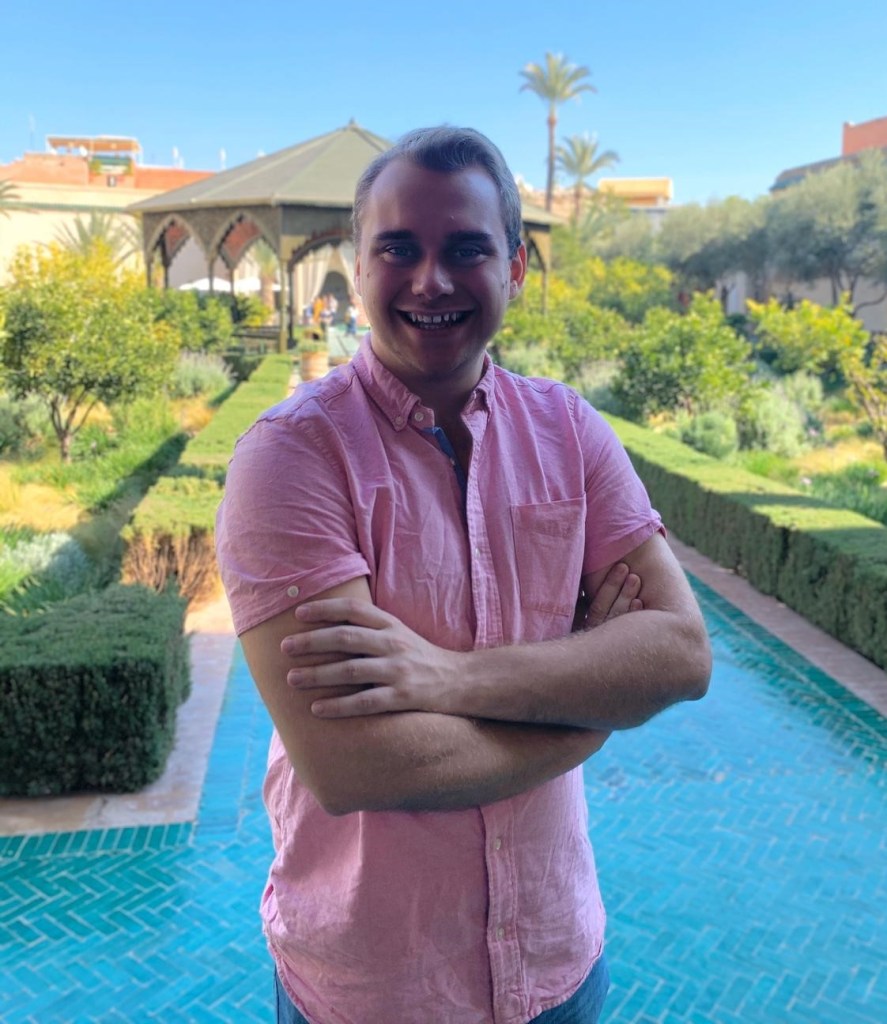
Dr. Liam Saddington
Liam is a political and environmental geographer who is interested in the geopolitics of climate change in relation to small island states. He is a Teaching Associate in Human Geography at the Department of Geography, University of Cambridge and a Fellow and Director of Studies of Geography at Lucy Cavendish College, Cambridge. He is also affiliated with Magdalene College and Churchill College, University of Cambridge. Liam has a BA (St Catherine’s College), an MSc (St Cross College) and a DPhil (St Catherine’s College) from the University of Oxford.
Liam’s research focuses on how island states like Tuvalu are responding to the challenges of rising sea levels. He has conducted fieldwork in Tuvalu, Fiji, Seychelles, New Zealand and Antigua and Barbuda – thinking more broadly about island diplomacy and climate change. Currently, Liam is looking at how island states are engaging with international debates on ocean governance.
Alongside this, Liam has also worked with Professor Fiona McConnell (University of Oxford) on a project developing teaching materials for primary and secondary schools. This focuses on the Unrepresented Nations and Peoples Organization, a members-based organisation of communities denied the right to self-determination and to full representation. Liam also works with Gerard Reilly (Marriotts School) and Miles Huppatz (Hampton Gardens School) on co-developing climate justice materials.
Widening access to Geography is a priority for Liam. He is engaged in a wide range of initiatives – and is Cambridge Geography’s Outreach and Widening Participation Coordinator. He has given public talks and outreach sessions at schools across the UK speaking to thousands of young geographers. Through his work, Liam focuses on strengthening links between secondary and higher education geography.
Editorial Board
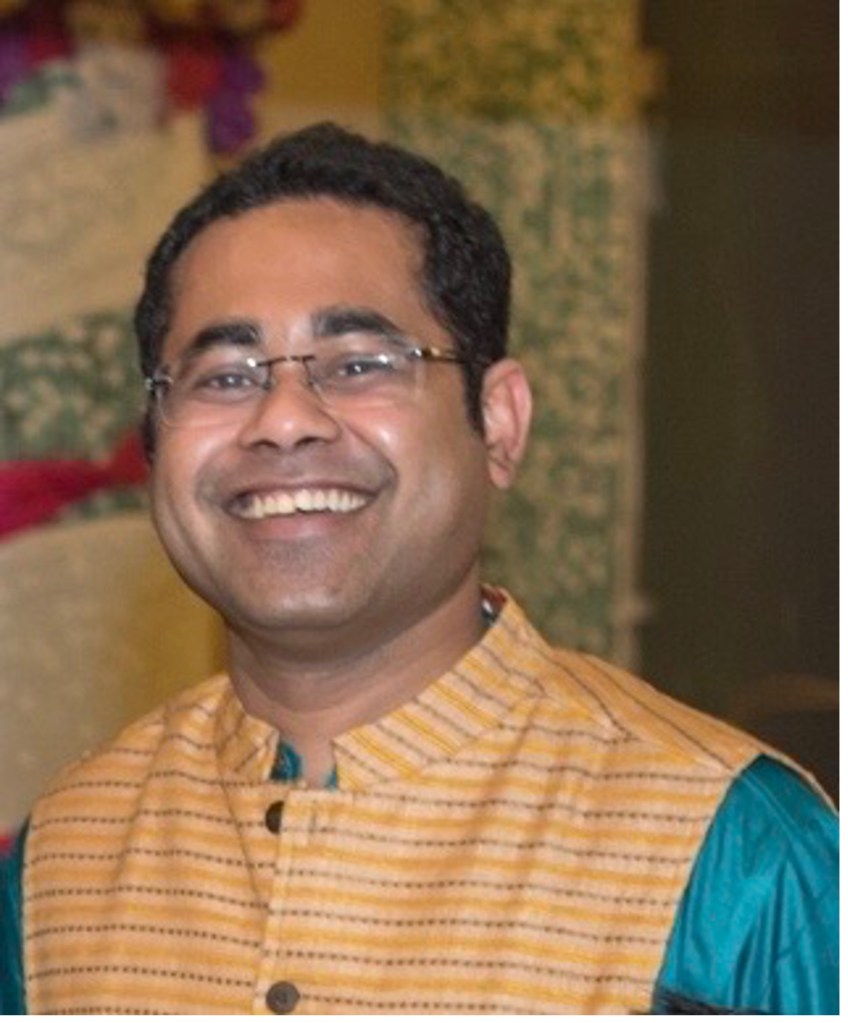
Dr. Raktim Ray (University College London)
Raktim is a Lecturer as Bartlett Development Planning Unit (DPU) at University College of London.
He has a background in Geography, Urban Planning and International Development. His research interest lies broadly in three thematic areas: a) Politics of care b) Ethnography of state and c) Politics of Archiving. He critiques the binary framework of resistance and dominance to understand state-political society relations and argues the framework of conflict politics is able to capture some of the nuances of developmental politics in the postcolonial context. Theoretically, he draws from postcolonial and postdevelopment theories and argue for a generative and iterative theory-building process. Methodologically, Raktim relies on critical ethnography and explore the possibility of visual ethnography as a decolonial method. Geographically, his research is focused on various Indian cities and London. He has been reviewer for many peer reviewed journals like Antipode, Urban Studies, International Journal of Urban and Regional Research.
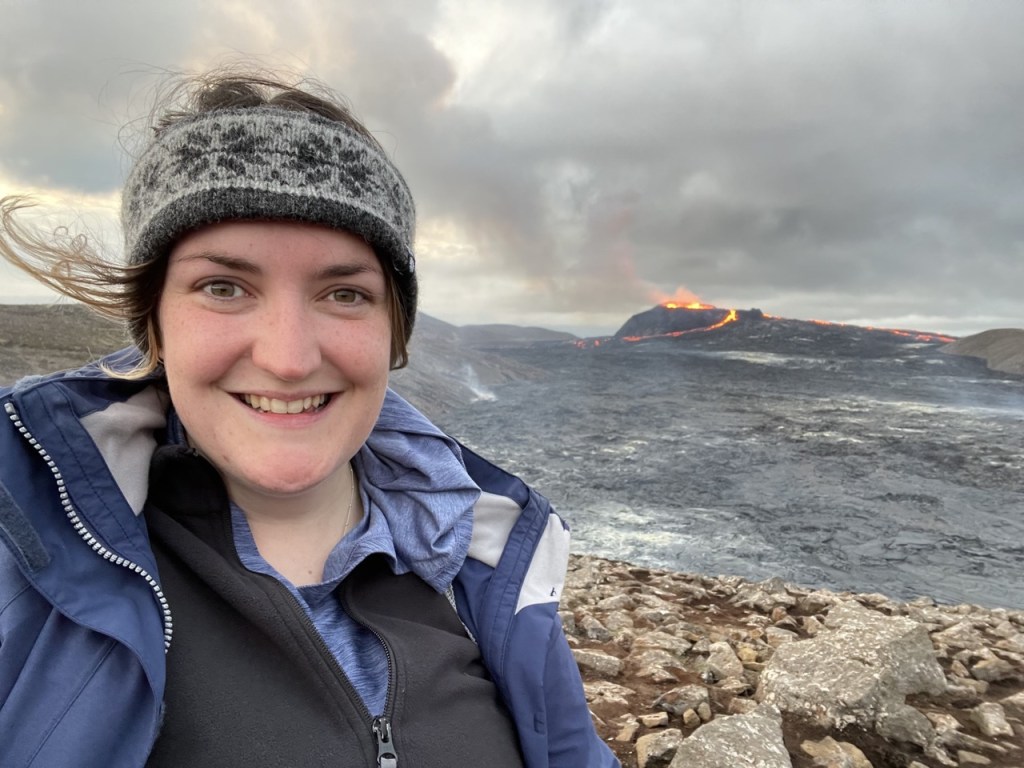
Faye Wilson-Cressey (St Andrew’s Catholic School)
With her geological background, Faye’s interests are in hazards and their management along with sustainable resource management, both of which she thoroughly enjoys teaching as part of the A-level curriculum. As a supervisor for the A-level independent investigation, Faye believes that fieldwork and independent investigations are a driving force in our discipline and Faye hopes that Routes will help to celebrate the work of our student geographers and enable students to use the writings of their peers to make many of their aspirations so much more tangible.
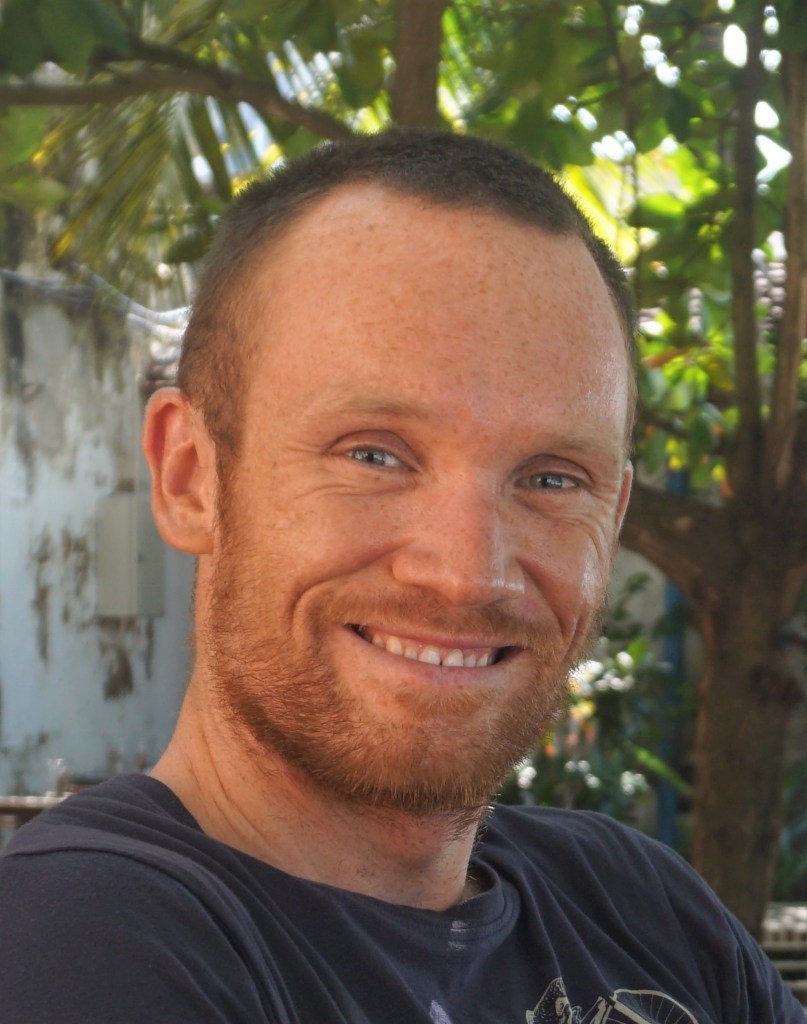
Chris Dodd (Grammar School at Leeds)
Chris is a teacher of geography and Head of Academic Extension & Oxbridge at the Grammar School at Leeds. He completed his undergraduate degree in Geography at Keble College, University of Oxford. Chris went on to achieve a Master’s degree in Drylands Science & Management at the Environmental Change Institute in Oxford. His graduate thesis was later refined and published in the Journal of Arid Environments, ‘Can phytoliths provide an insight into past vegetation of the Middle Kalahari palaeolakes during the late Quaternary?’ (Burrough, Bremen & Dodd, 2012). After completing his Geography PGCE at the University of Sheffield, Chris taught geography and geology at St. Aidan’s C of E High School in Harrogate. He has also lived and worked in Malawi, the so-called ‘warm heart of Africa,’ teaching geography at St. Andrew’s International High School in Blantyre. Chris is the founder and Staff Editor of The GSAL Journal, a student-led online publication promoting scholarly passion, curiosity and creativity. As an editor for Routes, Chris looks to combine his enduring love of geography and growing editorial experience to support outstanding sixth form and early career geographers. His specific areas of interest include Quaternary science, environmental geomorphology, extreme environments and sustainable development.
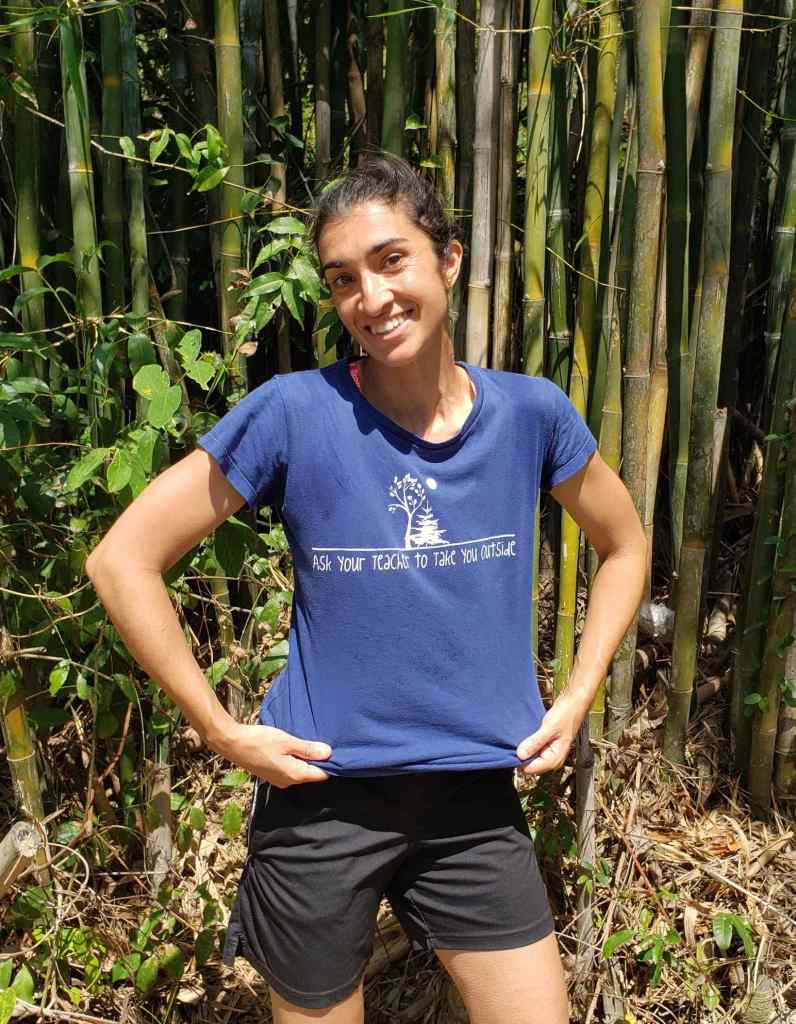
Dr. Smriti Safaya (Postdoctoral Fellow at the University of York)
Smriti is currently doing interdisciplinary research at the University of York, looking at the impact of environmental citizen science experiences on U.K. and Hong Kong student pro-environmental values, attitudes and behaviour. This research combines her interests in experiential and environmental education, behavioural psychology, citizen science and youth agency. Prior to embarking on her PhD in Education (University of York), she applied an experiential education approach in teaching Geography and World Issues for 13 years at international schools in Hong Kong. She has taken more than 2200 students on over 50 field trips around Hong Kong and globally, finding that the most transformative experiences are seen, heard and felt (hence my T-shirt’s message in my photo!). The appeal of experiential and place-based learning began with Smriti’s research experiences about earthquakes and geology in Tibet, Hong Kong and California, while completing her masters and undergraduate degrees at The University of Hong Kong and The University of California, Davis, respectively. As an activist educator and researcher, she pushes for participatory engagement for sustainability in her roles as the Education Director for CitizenScience.Asia, as a member of the Hong Kong Marine Policy Alliance advocating for a holistic marine policy in Hong Kong, and as a former board member of the Royal Geographical Society in Hong Kong where she created the 1st Young Geographer of the Year Award. She is excited to continue on the Routes Editorial team because, as a firm believer of the power of student voice, Smriti is keen to see the world through a young geographers’ eyes and to help widen the Routes authorship and audience internationally.
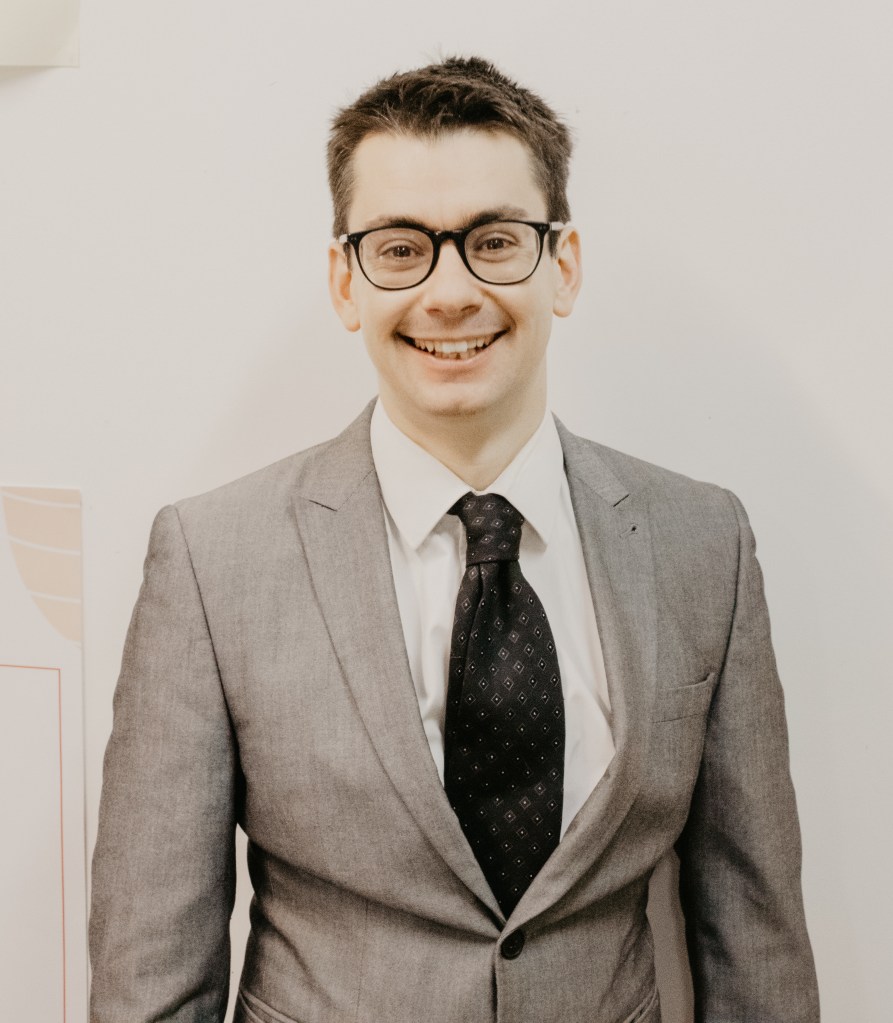
Gerard Reilly (Marriotts School, Stevenage)
Gerard Reilly is currently Head of Geography at Marriotts school Stevenage. He has a range of experience in schools including whole school responsibility for leading high-attaining pupils, teacher mentoring and curriculum development.
Gerard has an MA in Geography from University College Dublin and an MA in Policy Studies in Education from University College London. Currently, he is pursuing a doctorate at the University of Cambridge (Lucy Cavendish). His doctoral work investigates the impact of performative education policies on student and teacher practices.
His academic interests in geography extend to exploring spatial inequalities within educational settings. Additionally, Gerard is passionate about bridging the gap between theory and practice in schools. He is excited to be a part of Routes, as he believes that his interests closely align with the journal’s objectives.
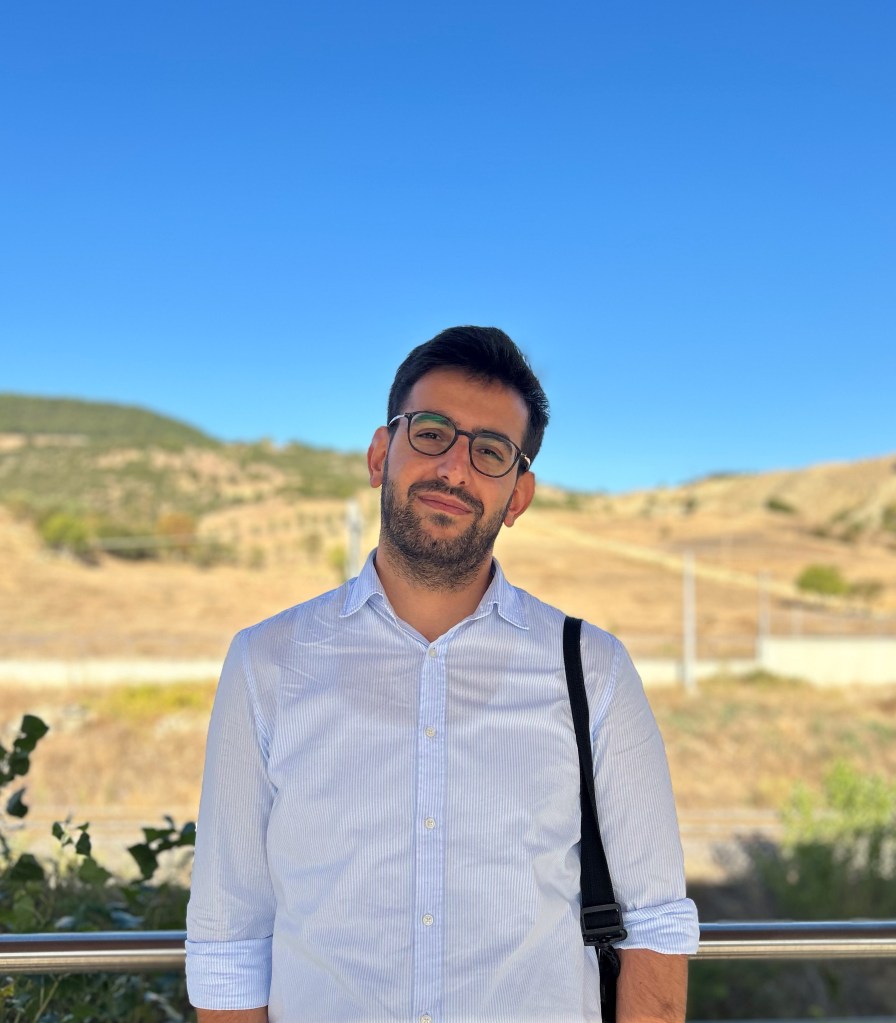
Dr. Serhat Ay (Bilecik Seyh Edebali University, Turkey)
Serhat is an Assistant Professor of Human Geography in the Department of Geography at Bilecik Seyh Edebali University, Turkey. His research interests lie at the intersection of digital technologies and everyday public spaces, particularly focusing on digital geography, urban social geography, and children’s geographies.
His doctoral thesis explored how children engage with the digital world through cybercafés in Istanbul. His current research delves into the production of mobility and visuality through digital social media platforms.
In addition to his research pursuits, he is dedicated to fostering the next generation of geographers. He teaches courses on political geography and geopolitics, behavioral geography, and GIS, equipping students with a critical understanding of the spatial world. His contributions extend beyond the classroom. He actively participates in the academic community, publishing articles on critical literary geography, social theory, urban social infrastructure, and critical time geography.
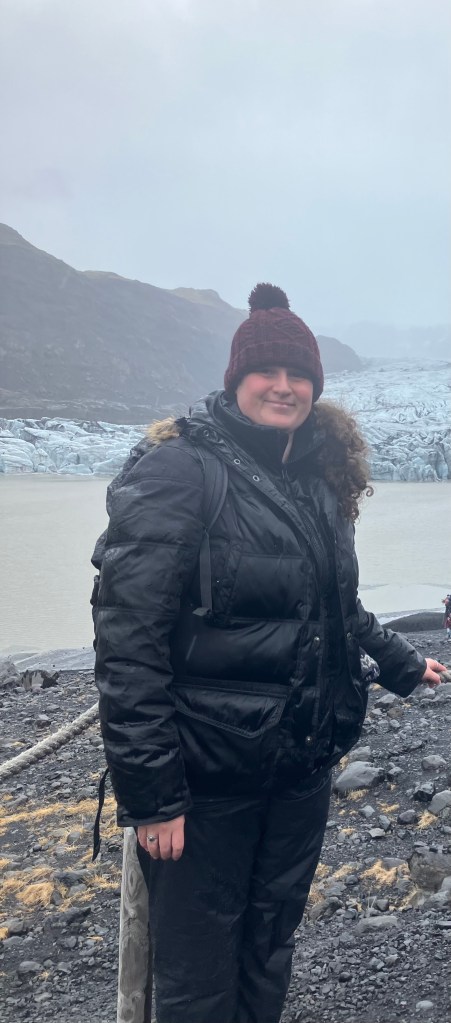
Rachel Denison (Wilson’s School, South London)
Rachel is currently Head of Geography at Wilson’s School, South London. Prior to teaching, she completed her undergraduate degree in Geography and International Development as well as a Master’s degree in International Relations at the University of Sussex. She then went onto study for her PGCE and Masters of Geography Education at the UCL Institute of Education (IoE). Since starting teaching ten years ago, Rachel has always been enthusiastic for bridging the gap between secondary and higher education for all students; through visits, lectures and partaking in the Fawcett Fellowship at UCL IOE from 2020-22, which allows for a developing relationship between university and school Geography. As one of the editors for Routes, she is looking forward to facilitating an opportunity for young geographers to have a space to engage with and contribute to academic scholarship. Rachel is particularly interested in geopolitics and geostrategic policies-linked to the study of globalisation and superpowers, with her specialist areas of focus being Africa and the Middle East.
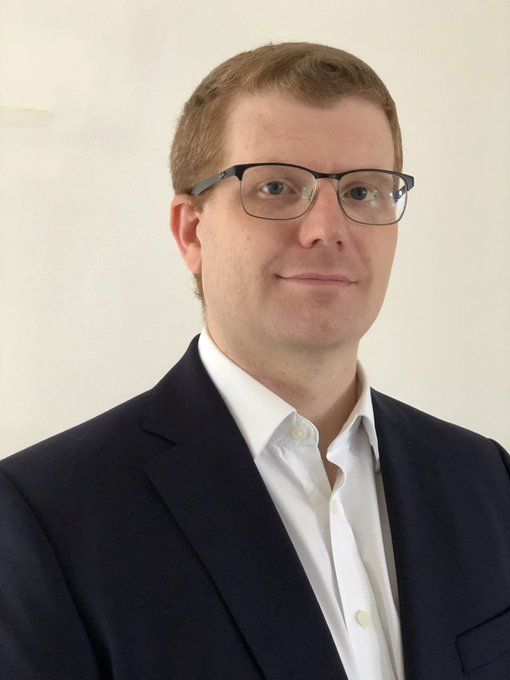
Dr. David Preece (Teach First)
David is currently Head of Geography for Teach First, leading on curriculum and teacher development. A former secondary Geography teacher and Head of Department, he taught in London for over a decade. He did his undergraduate Geography degree at Jesus College, University of Oxford, before studying for a PhD in decadal climate variability at University College London. David has worked with the Chartered College of Teaching and Royal Meteorological Society on education and online resource design. Together with serving on the Editorial Board of Routes Journal, he has worked with and published through the RGS and Geographical Association. In 2020, he was awarded Fellowship of the Chartered College of Teaching, and Chartered Geographer (Teacher) status by the Royal Geographical Society, where he is currently a Trustee and Education Councillor. He is regularly on Twitter @DoctorPreece, and is keen to get more voices to contribute to the wonderful disciplinary conversations that make up Geography!
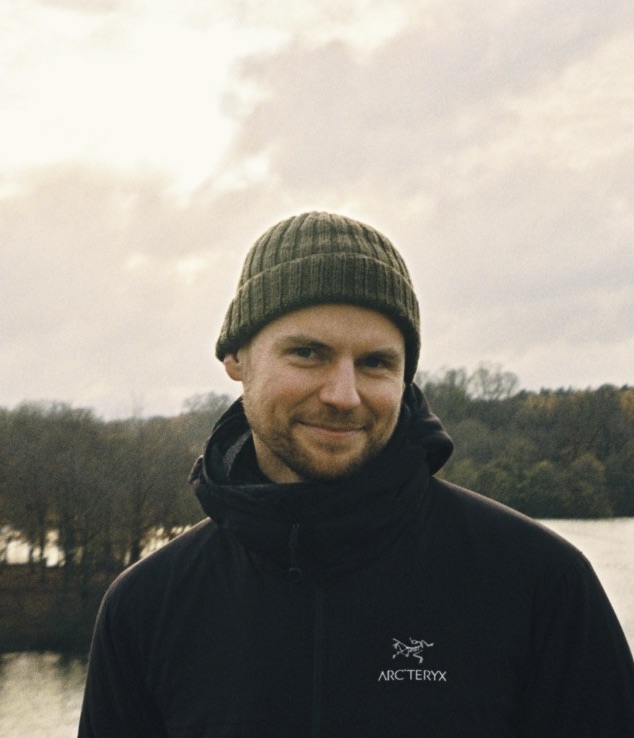
Dr. Oscar Hartman Davies (Stockholm University)
Oscar Hartman Davies is an environmental and cultural geographer focusing on digital transformations in environmental governance, particularly in marine ecosystems. Oscar’s DPhil research explored the histories and contemporary uses of seabirds as sentinels of marine environmental change in scientific and marine governance practices. He has an MSc in Nature, Society, and Environmental Governance and BA in Geography from the University of Oxford. His ongoing research with the Digital Ecologies research group focuses on approaches to tracking and modelling animal movement and creative approaches to visualising environmental change. Oscar is also a co-founder of the youth-led nature recovery organisation, Youngwilders, and acts as an advisor to initiatives in the UK and Finland focusing on broadening youth participation in nature recovery.
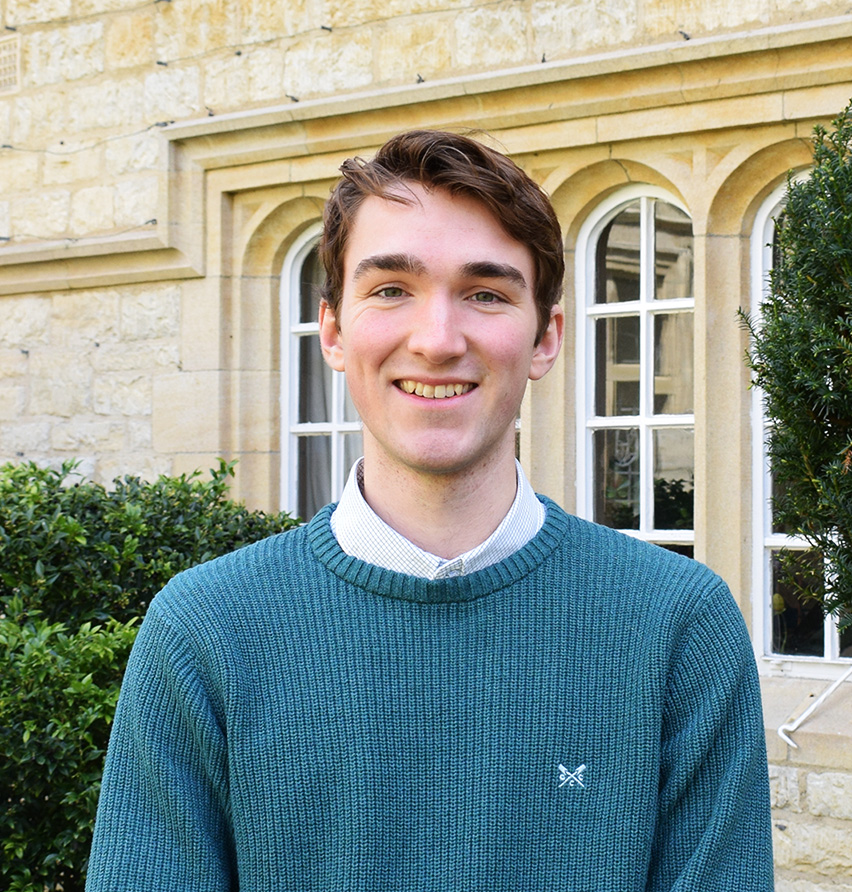
Sam Allen (University of Oxford)
Sam is a PhD student within the School of Geography and the Environment at the University of Oxford, having previously studied for a BA in Geography and MPhil in Population Health Sciences (Infectious Diseases) at the University of Cambridge. He is a health/medical geographer interested in human health within the Anthropocene, particularly the intersections between environmental changes and infectious disease risk. His PhD research, funded by the Clarendon Fund and St Edmund Hall, is focussed on Lyme disease in the UK, with an emphasis on understanding environmental, climatic, socioeconomic and political drivers to better predict current and future risk.
Sam had an article published as an author in the first issue of Routes in 2020 and is excited to now be a member of the Editorial Board, where he hopes to use this experience to help Routes continue encouraging young geographers to share their academic work with a wider audience.
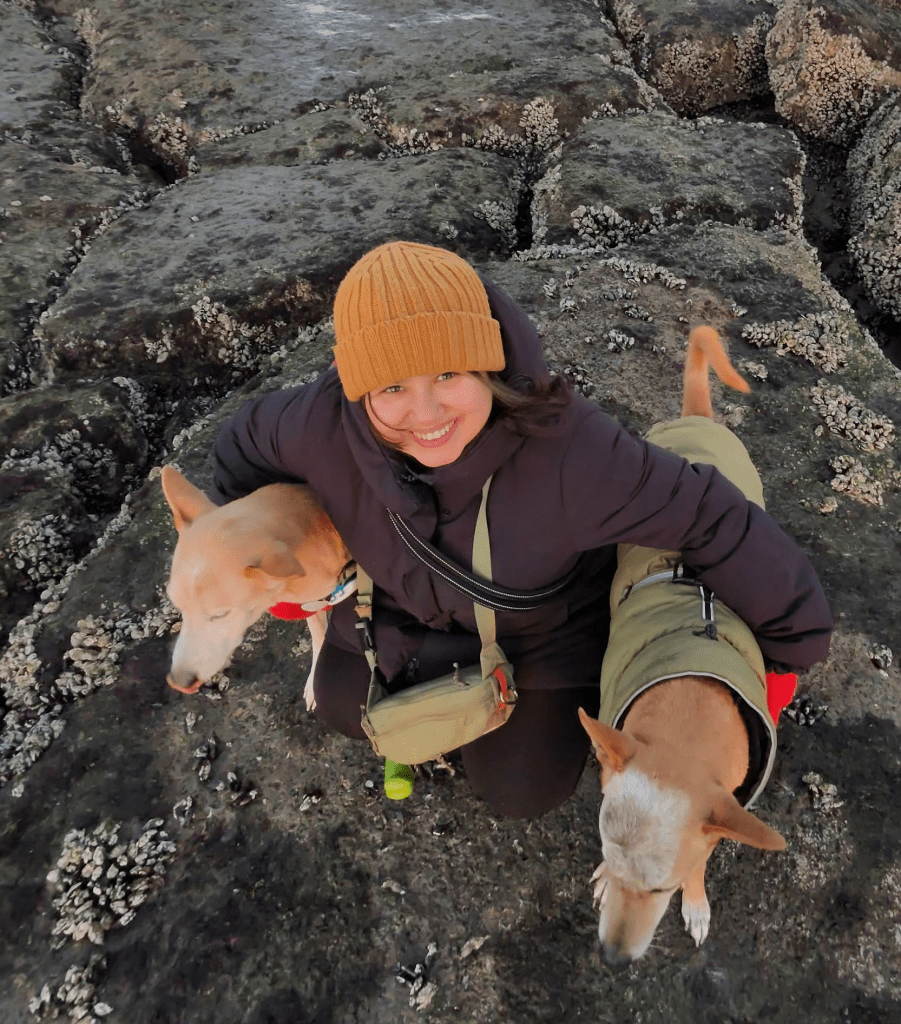
Neha Arora (University of Oxford)
Neha holds an MSc in Sustainable Urban Development from the University of Oxford and serves as an Editorial Assistant for the AAG Review of Books. Her research interests lie at the intersection of labor geographies and animal geographies. Currently, she is working on a project funded by the Oxford John Fell Fund, exploring the experiences of lorry drivers who travel with animal companions. Her previous research spans multiple labor-related projects, including infrastructure for informal vendors in Tanzania, the mobility of informal laborers in India, and the financial aspirations of construction workers on mega-projects in Johannesburg and Istanbul.
Routes Co-Founders
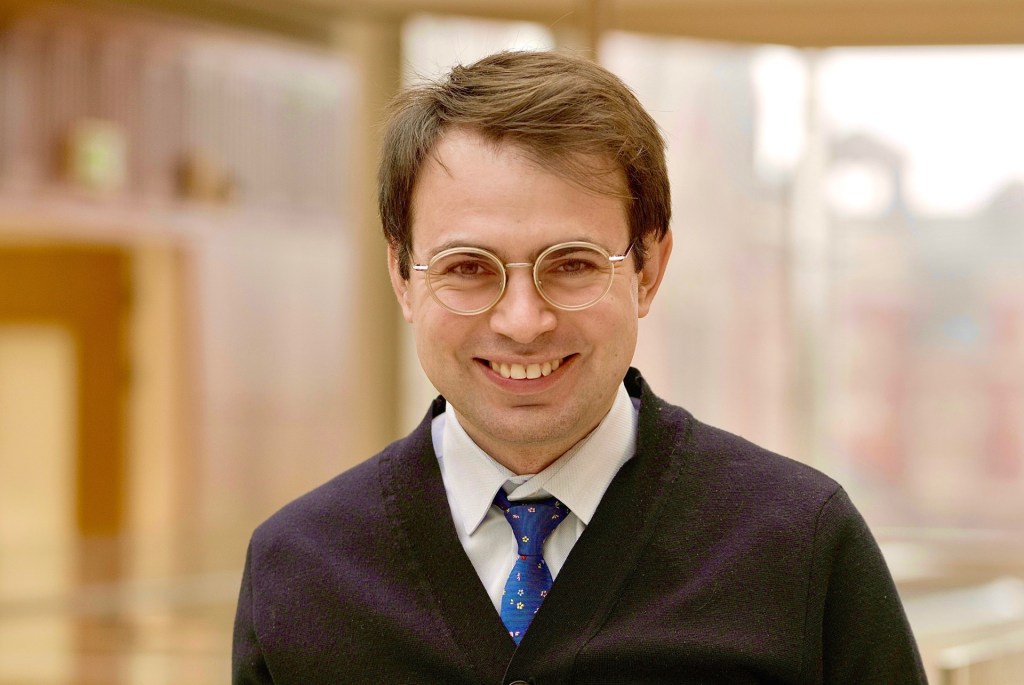
Dr. Cyrus Golding
Cyrus is the Deputy Head Academic at Brighton College in Hanoi. Before this he was a Head of Department and a Lecturer and Visiting Tutor for the Geography PGCE Course at King’s College London. His sustained contributions to geographical education were recognised by the Royal Geographical Association Ordnance Survey Award in 2024.
Cyrus has an MA in Geography from the University of Oxford. He then went on to complete his MSc and DPhil (PhD) at Oxford funded by the Economic and Social Research Council.
His doctoral work explored the ways that communities in South Iceland live with the effects of their geologically active environment as a way of highlighting the partialities of hazard management policies. He conducted extensive periods of study in Iceland using ethnographic methods.
His current research and writing interests involve supporting schools achieve net-zero through whole school participatory methods.
A common theme running through his contributions is in creating platforms for under-represented voices and issues to come to the fore.

Professor Lizzie Rushton (University of Stirling)
Lizzie is Professor of Education and Head of the Education Division at the University of Stirling. Previously she was Associate Professor of Education and Head of Department of Curriculum, Pedagogy and Assessment at the Institute of Education, University College London. Lizzie is a qualified secondary school geography teacher and was Subject Director of the inaugural secondary geography PGCE programme at King’s College London.
Her research expertise is interdisciplinary, drawing on the disciplines of education and geography. This includes the education and professional development of teachers; student participation in research and decision making; and human and environment interactions over time. These areas of expertise intersect with a range of fields including geography and science education, climate change and environmental education, and decolonisation and anti-racism in education. A key quality of her research is to enable and develop meaningful and reciprocal partnerships between scholarship and practice in education. This includes developing pathways, such as co-authorship, so that the knowledge and understanding of teachers and young people can inform education scholarship and policy making. Recent work has been funded by the Economic and Social Research Council, the British Educational Research Association, Leverhulme and the Royal Society of Arts. Consultancy projects include working with the British Council to develop school-based climate change education across the British Council’s Schools Connect programme. She is a member of the Editorial Boards of The Curriculum Journal and the Journal of Geography in Higher Education.
You can read more about Lizzie’s research here: https://orcid.org/0000-0002-6981-8797.
@RushtonDr
Routes Advisory Panel
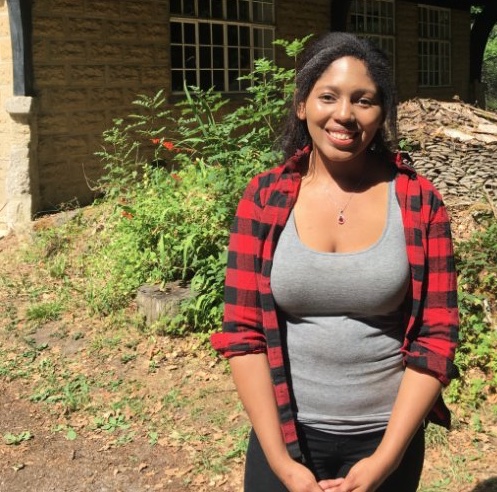
Dr. Tanesha Allen (University of Oxford)
Dr Tanesha Allen is a Zoologist who specialises in behavioural ecology and reproductive behaviour. Originally from the USA, she earned her BSc. in Animal Sciences at Washington State University in Pullman, Washington. She then pursued a MPhil in Zoology at the University of Cambridge where she studied inbreeding avoidance in burying beetles, and a DPhil in Zoology at the University of Oxford where she studied olfactory communication in European badgers. Dr Allen’s passion for science communication/outreach inspired her to create a wildlife monitoring program with local primary and secondary schools, and this work recently earned her an appointment on the Royal Society Partnership Grants Allocating Panel. Her other passion of addressing EDI issues within STEM led her to working as a Strategic Outreach Officer for Oxford’s Department of Zoology and as an Athena SWAN Coordinator and Data Analyst in Oxford’s MPLS Division.
Elaine Anderson (Geographical Association)
Dr. Joe Blakey (University of Manchester)
Steve Brace (Geographical Association)
Dr. Simon Tate (Newcastle University)
 Routes